Learn to Relax
Life often feels like it’s moving too fast. There’s schoolwork to finish, projects to plan, friends to hang out with, and family responsibilities waiting at home. It’s easy to get caught in a cycle of constant motion, where every minute feels packed and every day feels overwhelming. The truth is, you can’t run on full speed forever without eventually hitting a wall. Learning to relax isn’t a luxury- it’s essential. It’s a skill that lets you recharge, clear your mind, and regain control over your life.
I remember one Thursday when I realized I had completely ignored my own limits. That morning, I woke up late after staying up finishing a presentation, rushed to work with a pounding headache, and spent the day bouncing between meetings, crunching numbers, and errands. By the evening, I felt like my brain was foggy and my body weighed a hundred pounds. Normally, I would have pushed through, scrolling my phone until I could fall asleep. But something inside me said, “Stop. You need a real break.” That was the moment I decided to actually practice relaxing.
01. Creating space for myself.
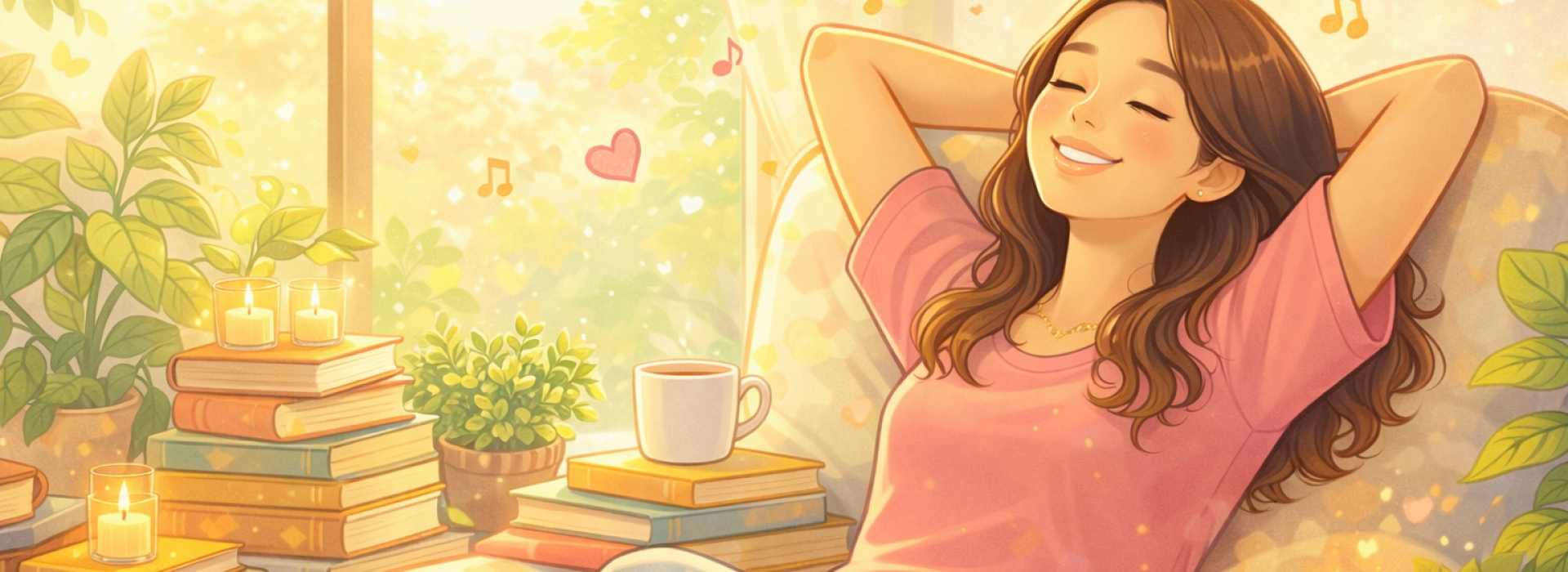
The first step was creating space for myself. I turned off my phone, grabbed a blanket, and sat by the window. At first, my mind raced, jumping from one worry to the next. So I focused on my breath: inhale slowly, hold it, exhale. Repeating this for a few minutes didn’t solve my problems, but it gave my mind permission to slow down. That quiet moment alone felt surprisingly powerful.
02. Noticing the world around me
Next, I noticed the world around me. I listened to the sounds outside—leaves rustling, distant voices, a dog barking. I felt the warmth of sunlight on my face and the texture of the blanket in my hands. Paying attention to what I could see, hear, and feel grounded me in the present moment.
Movement became another way to release tension. I stretched my arms, rolled my shoulders, and went for a short walk around the block. Each step helped my body let go of the stress it had been holding onto all day. I discovered that relaxation can be active. I also experimented with small comforting rituals: listening to music, drawing, journaling, or brewing a cup of tea. These weren’t big or complicated; they were simple acts that reminded me I could choose calm over chaos. One of the hardest lessons I had to learn was letting go of guilt. I used to feel like taking a break meant I was being lazy or unproductive. But I realized that resting is essential– it restores energy and focus. When you allow yourself to pause without judgment, everything else becomes easier to handle.
Over the next few weeks, I made relaxation part of my routine. Some days it was five-minute meditation, other days a long walk or a quiet afternoon reading. I noticed I was less reactive, more patient, and able to enjoy moments I previously overlooked. Life didn’t get easier, but I was better equipped to handle it. The art of relaxing is about awareness, intention, and self-care. It’s about recognizing when your mind and body need a break and giving yourself permission to meet that need. Slowing down, noticing your surroundings, moving your body, and practicing small rituals are all practical ways to recharge.
Ultimately, relaxing isn’t just about escaping stress; it’s about choosing how to respond to it. Taking a deliberate pause can restore balance, clarity, and energy. Mastering the art of relaxing isn’t about stopping life—it’s about being ready to live it fully.